Unlocking PPC Success: A Comprehensive Guide for Small Businesses
What is PPC Advertising?
Pay-per-click (PPC) advertising is a dynamic digital marketing model where businesses pay a fee each time their ad is clicked. This can include text, image, or video ads displayed on platforms like Google Ads, Facebook Ads, and beyond. Google Ads, in particular, uses an auction-based system to determine ad placements, where factors like bid amount and Quality Score play pivotal roles. Advertisers can set daily budgets and maximum bid amounts, allowing them to maintain control over their spending. The beauty of PPC is its flexibility, enabling businesses to tailor campaigns to specific audiences based on demographics, location, and even the devices people use.
Importance of PPC for Small Businesses
For small businesses, PPC is a powerful tool. On average, small businesses earn $2 for every $1 spent on PPC ads, making it a cost-effective marketing strategy. PPC enhances budget control as businesses only pay for actual clicks, ensuring efficient use of resources. Moreover, PPC visitors are 50% more likely to make a purchase than those who arrive via organic search results. This type of advertising also offers immediate visibility in search results, a crucial factor in driving website traffic and gaining quick exposure. Additionally, PPC allows small businesses to test different marketing strategies swiftly, adjusting tactics based on performance data to refine their approach.
Key Components of a Successful PPC Campaign
Keyword Research and Targeting
A successful PPC campaign hinges on meticulous keyword research. This involves creating relevant and expansive keyword lists, focusing on long-tail keywords, which make up 70% of search traffic and are generally more affordable. To optimize your budget, incorporate negative keywords to filter out irrelevant searches. Tools like Google Keyword Planner are invaluable for discovering high-performing keywords. It's essential to regularly review and update your keyword lists to ensure your campaign remains effective and competitive.
Ad Creation and Quality
The Quality Score is a critical factor in PPC advertising, impacting ad positioning and cost. This score is determined by the relevance of your ad and the quality of your landing page. Engaging ad headlines are crucial to capture attention, and incorporating clear calls to action can guide potential customers on the next steps. Conducting A/B testing on different ad copies can highlight the most effective messaging. Additionally, using site links and callout extensions can enhance ad visibility and increase click-through rates.
Differences Between PPC and SEO
Understanding SEO
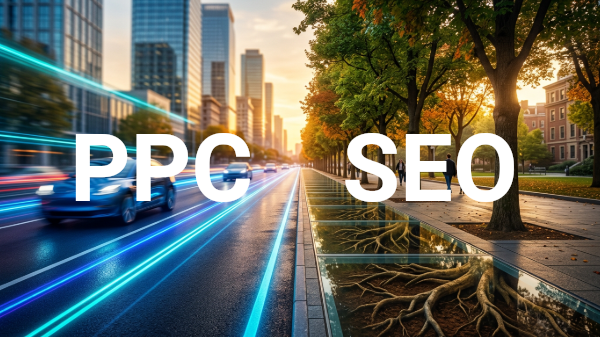
Search Engine Optimization (SEO) involves optimizing web content to improve organic search rankings. Unlike PPC, SEO doesn't require payment for ad placements but instead relies on keyword relevance and quality content. SEO strategies are often long-term, focusing on sustainable growth, whereas PPC can offer more immediate results.
PPC vs. SEO
PPC is known for providing immediate results and budget flexibility, whereas SEO typically requires time for results to become apparent. PPC campaigns offer measurable results and detailed reports, providing insights into performance and areas for improvement. While the average cost per click for Google Ads is around $2, Facebook Ads average $1.86, with costs varying widely based on competition and ad quality.
Managing PPC Budgets and Maximizing ROI
Budget Management
Managing a PPC budget effectively is crucial for small businesses. The cost-per-click (CPC) is calculated by dividing the total ad cost by the number of clicks, which is essential for optimizing ad spend. Starting with a single campaign on Google Ads can simplify budget management and analytics. Regular monitoring of campaign results is vital to make necessary adjustments and optimize performance. Setting a daily budget helps prevent overspending and allows for better financial planning. Moreover, automated bidding strategies can be employed to optimize bids based on campaign goals.
Maximizing ROI
Conversion tracking is indispensable for evaluating PPC campaign effectiveness, providing insights into user actions post-click. Understanding Return on Ad Spend (ROAS) is also critical, helping businesses gauge the revenue generated for every dollar spent on advertising. To enhance conversion rates, optimize landing pages with clear calls to action and quick load times. Analyzing customer behavior post-click can reveal areas for improvement in the sales funnel. Regularly reviewing campaign metrics can highlight successful strategies and areas needing refinement.
Effective PPC Strategies for Small Businesses
Targeted Advertising
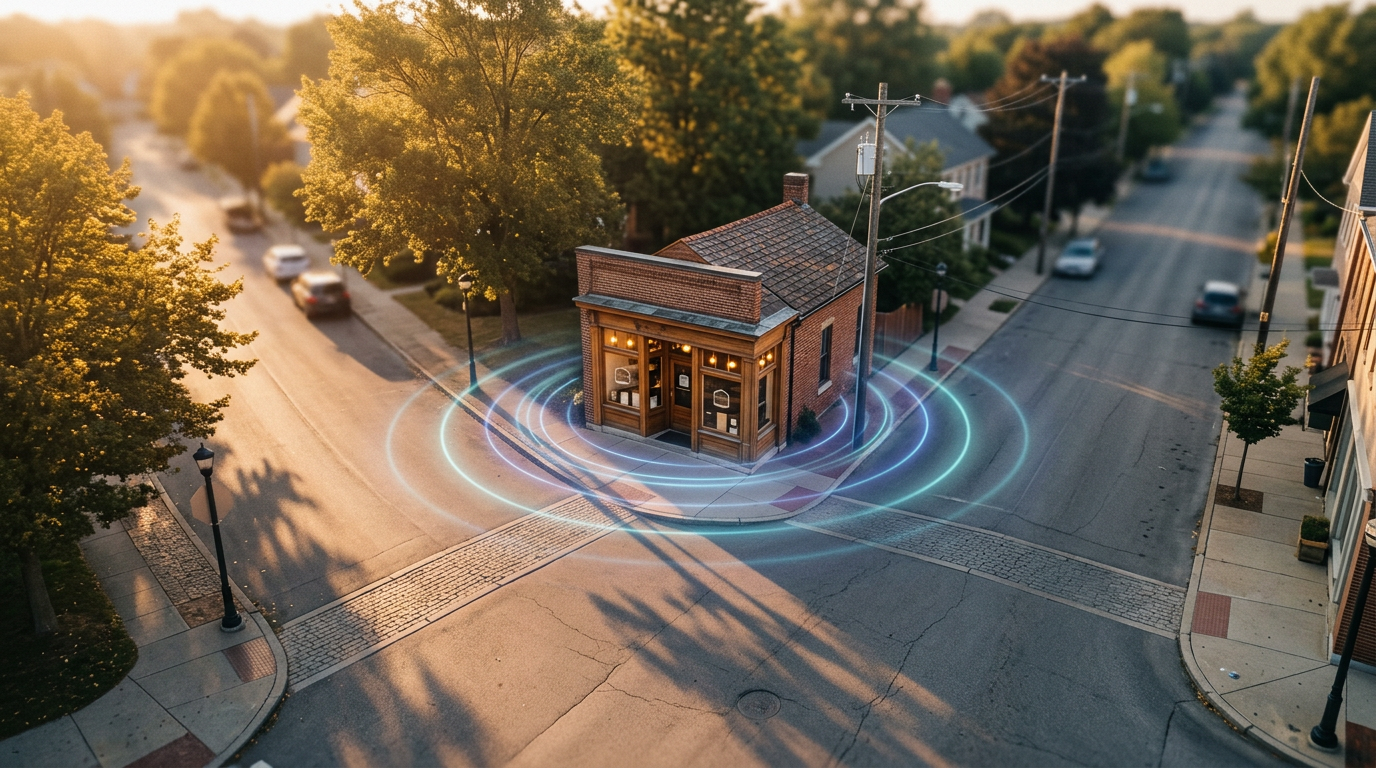
For small businesses, targeting is key. Geotargeting ads to specific neighborhoods can attract local customers effectively. Hyper-specific long-tail keywords can lower costs and improve ad relevance. Remarketing techniques can target previous website visitors with tailored ads, enhancing the chance of conversion. Experimenting with different ad formats, like responsive ads, can also improve engagement and performance. Collaborating with local influencers could widen your reach and credibility within specific communities.
Continuous Optimization
Effective PPC campaigns require ongoing management and adjustment based on conversion data. Tools like Google Ads Performance Grader can help assess and improve campaign effectiveness. Regularly analyzing competitor strategies can uncover gaps and opportunities for differentiation. Implementing ad scheduling can optimize ad delivery times during peak traffic periods, maximizing exposure and effectiveness. Staying informed about changes in PPC algorithms is essential for maintaining a competitive edge.
Conclusion and Call to Action
PPC advertising offers small businesses a strategic approach to attract targeted traffic and increase sales. By effectively managing PPC campaigns and integrating them with SEO strategies, businesses can maximize their online marketing efforts. For professional assistance in setting up and optimizing your PPC campaigns to achieve your business goals, visit
Fitz Designz.
Share
You May Also Like